Fixing Damage Before It Spreads Further
Concrete Repair in Cincinnati for driveways, patios, walkways, and slabs showing cracks, surface deterioration, or settlement that hasn't progressed to full replacement
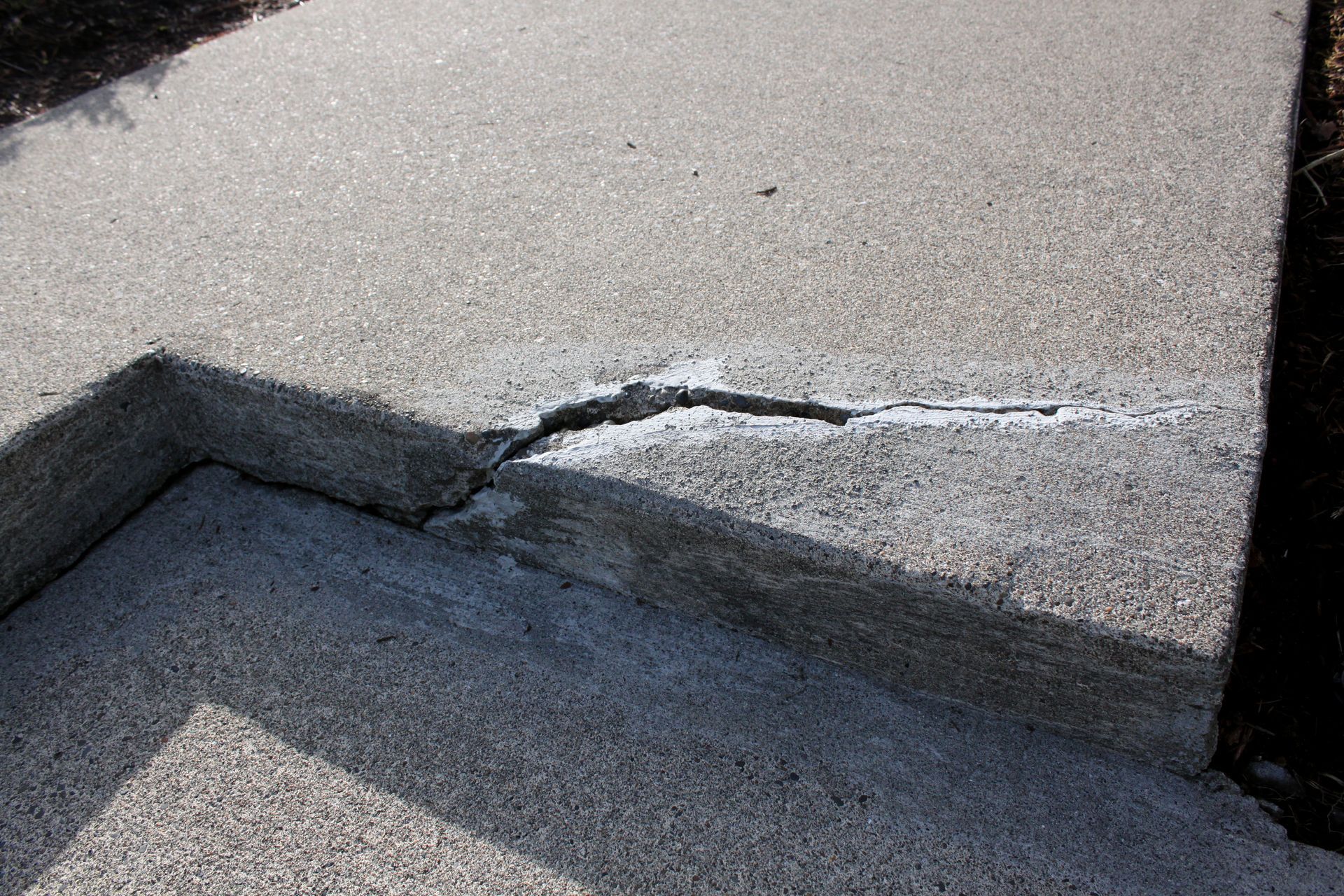
Small cracks in concrete grow wider each winter as water enters, freezes, and forces the fissure to expand, eventually creating the kind of structural damage that requires complete removal and replacement. Queen City Concrete evaluates concrete throughout the Greater Cincinnati Area to determine when repair provides a practical solution and when the underlying damage has progressed beyond what patching can address. Minor surface cracks, isolated settling, and early-stage deterioration often respond to targeted repairs that extend the concrete's functional life without the expense of full replacement.
Repair work involves cleaning out damaged material, preparing surfaces for proper adhesion, and filling voids or cracks with materials designed to bond with existing concrete and flex slightly as temperatures change. The goal is stabilizing the damage and preventing water infiltration that accelerates freeze-thaw cycles, not making the repair invisible or restoring the concrete to original condition.
Schedule an inspection before minor damage becomes a larger problem that eliminates repair as a cost-effective option.
When Repairs Extend Concrete Life Practically
Concrete repair works best when the damage remains localized and the surrounding material shows good structural integrity. Narrow cracks get routed to create a uniform channel that accepts sealant, surface spalling gets removed to sound concrete before patching material is applied, and small settled sections sometimes get lifted using techniques that fill voids beneath the slab. Each repair method depends on accurate assessment of what caused the damage, since addressing symptoms without correcting underlying issues just delays the inevitable failure.
After appropriate repairs, you notice that cracks no longer collect water or allow weed growth, surface deterioration stops spreading to adjacent areas, and trip hazards from minor settling get eliminated. The concrete doesn't look new—repair materials rarely match the color or texture of weathered concrete exactly—but it functions safely and resists further damage from water infiltration and freeze-thaw cycles common during Cincinnati winters. Properly executed repairs buy time until replacement becomes necessary, which matters when budget constraints don't allow immediate reinstallation.
Queen City Concrete uses quality materials and dependable workmanship to complete repairs that address both the visible damage and the factors contributing to deterioration. Not every crack or surface flaw justifies immediate attention, and some damage progresses too far for repair to provide good value, which is why evaluation happens before work begins rather than assuming every situation requires the same approach.
Answers to Frequent Service Questions
Repair decisions require understanding what damage can be fixed effectively and what conditions indicate replacement provides better long-term value.
What types of cracks can be repaired successfully?
Hairline cracks and narrow fissures less than a quarter inch wide that haven't caused adjacent sections to separate or settle respond well to routing and sealing, while wide cracks with vertical displacement or extensive branching patterns usually indicate structural issues that repair cannot address permanently.
How does surface deterioration progress if left unaddressed?
Scaling and spalling start as shallow surface defects but deepen as water penetrates exposed aggregate, freezes, and pops off additional layers during winter months, eventually compromising the concrete's structural thickness and requiring replacement rather than patching.
When does settlement damage warrant repair instead of replacement?
Minor settling that creates height differences of an inch or less sometimes gets corrected through slab lifting or void filling techniques, while settlement exceeding two inches or affecting large areas typically indicates base failure that requires removal and proper reinstallation.
What causes concrete to crack in the Greater Cincinnati Area specifically?
Freeze-thaw cycles affecting water-saturated concrete, expansive clay soils that shift with moisture changes, missing or inadequate control joints that don't direct cracking along planned lines, and insufficient base preparation that allows uneven settling under the slab.
How long do concrete repairs typically last?
Repair longevity depends on the damage extent, material quality, and whether underlying causes get addressed, with properly executed repairs on stable concrete often lasting five to ten years before the surrounding material's natural aging makes replacement the more practical choice.
Queen City Concrete completes evaluations that distinguish between damage requiring immediate attention, conditions that can be monitored, and situations where replacement provides better value than ongoing repair expenses. Call (513) 448-5304 to arrange an assessment of your concrete's condition and receive straightforward recommendations based on what the damage indicates and what your budget allows.